
The Importance of Slag Abrasive in Shipyard Engineering and Oil & Gas Platforms
5/30/20243 min read
Understanding Slag Abrasive: Composition and Benefits
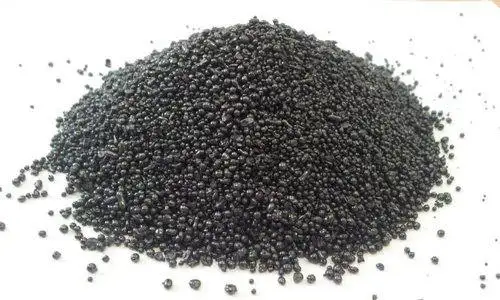
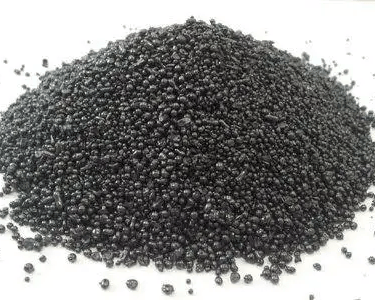
Slag abrasive, a byproduct of metal smelting processes, is a versatile material widely used in industrial cleaning applications. It is primarily composed of various oxides, including silicon dioxide (SiO2), aluminum oxide (Al2O3), and iron oxide (Fe2O3). These components contribute to its abrasive quality, making it highly effective for heavy-duty cleaning tasks in shipyard engineering and oil and gas platforms.
There are several types of slag abrasive, each with unique properties that cater to specific industrial requirements. Copper slag and coal slag are the most commonly used variants. Copper slag, derived from the smelting of copper ore, is known for its hardness and sharp edges, making it ideal for removing tough coatings and rust. Coal slag, on the other hand, is a glassy byproduct of coal combustion and is prized for its lightweight nature and recyclability.
One of the standout features of slag abrasive is its cost-effectiveness. As a byproduct, it is typically less expensive than other abrasive materials such as aluminum oxide or garnet. This cost advantage makes it an attractive option for large-scale operations where budget constraints are a consideration. Additionally, slag abrasive's efficiency in removing paint, rust, and other contaminants reduces the time and labor required for surface preparation, further enhancing its economic appeal.
Environmental impact is another critical factor in the selection of abrasive materials. Slag abrasive is considered environmentally friendly as it is a recycled product, thus minimizing waste. Moreover, it produces less dust compared to other abrasives, reducing air pollution and health hazards for workers. This aligns with stringent industry standards and regulations aimed at promoting sustainable practices and ensuring worker safety.
In terms of performance, slag abrasive meets or exceeds industry standards for surface cleanliness and profile. Its consistent quality and hardness ensure that surfaces are adequately prepared for subsequent coatings or treatments. This reliability makes it a preferred choice in shipyard engineering and for maintaining oil and gas platforms, where the integrity of surfaces is paramount.
Slag abrasive plays a pivotal role in shipyard engineering and the oil and gas industry, primarily in surface preparation for painting and coating. The abrasive's unique properties make it highly effective for removing rust, old paint, and other contaminants from metal surfaces, ensuring the longevity and safety of structures.
In shipyards, slag abrasive is extensively used to refurbish ships' hulls and decks. These surfaces are constantly exposed to harsh marine environments, leading to corrosion and degradation. By employing slag abrasive blasting techniques, shipyard workers can thoroughly clean and prepare the metal surfaces, allowing for the application of protective coatings that extend the vessel's operational life. For instance, a case study on a mid-sized commercial vessel revealed that using slag abrasive reduced preparation time by 30%, significantly enhancing the efficiency of the maintenance process.
Similarly, in the oil and gas industry, slag abrasive is integral to maintaining offshore platforms and pipelines. These structures are subjected to extreme conditions, including saltwater exposure and high pressures, which can accelerate wear and corrosion. Slag abrasive blasting ensures that surfaces are adequately prepared for the application of anti-corrosive coatings, thus preventing leaks and structural failures. An example from an offshore drilling platform demonstrated that regular maintenance using slag abrasive blasting led to a 20% reduction in unexpected downtime, highlighting the material's effectiveness in prolonging the integrity of critical infrastructure.
Various techniques and equipment are employed in slag abrasive blasting, including portable blast machines, containment systems, and personal protective equipment (PPE). Operators must follow stringent safety protocols to mitigate risks such as respiratory hazards and environmental contamination. Best practices include using appropriate PPE, ensuring proper ventilation, and adhering to regulatory guidelines for waste disposal.
Overall, the use of slag abrasive in shipyard engineering and the oil and gas industry is indispensable for maintaining the structural integrity and safety of ships and offshore platforms. Its effectiveness in surface preparation not only enhances the durability of protective coatings but also contributes to the overall efficiency and reliability of maintenance operations in these critical sectors.
About
CGST Cahaya specialises in communication infrastructure, commodities, minerals, and metals trading.
Contact
info@cgstcahaya.com
+60127200073
© 2025. All rights reserved.
Quicklinks